Maraba
Rwanda
Coffee Bio:
In Kinyarwanda, Abahuzamugambi Ba Kawa translates to “Together we work the coffee”. The name reflects the cooperative’s collaborative spirit and significant contribution to rebuilding Rwanda’s coffee sector: founded in 2001, the Maraba Cooperative was among the first coffee cooperatives re-established after the 1994 genocide and civil war that took place in the country.
Created to strengthen the livelihoods of coffee farmers, the cooperative enabled members to earn better wages by selling coffee directly to exporters in Kigali instead of relying on intermediaries. Over the years, Maraba has become a leading example of progress within Rwanda’s coffee industry and has helped inspire the growth of many specialty coffee cooperatives across the country.
Maraba has played an important role in shaping Rwanda’s modern coffee industry: in 2001, it became the first cooperative in the country to establish their own washing station, Cyarumbo. Designed as a model facility with a strong focus on quality at every stage of production, the project achieved remarkable success despite being located in one of Rwanda’s poorest regions at the time. Today, the cooperative operates four washing stations across the Huye and Nyamagabe districts of the Southern Province: Cyarumbo, Kibingo, Kabuye, and Sovu. These facilities allow members to process and dry their coffee under carefully controlled conditions, helping to maximise quality.
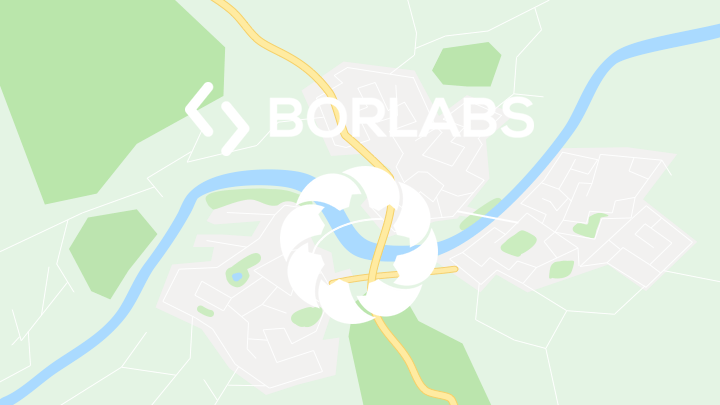
The cooperative is overseen by General Manager Theophile Biziyaremye, whose extensive expertise in coffee production has supported Maraba’s continued success. Its headquarters and dry mill are located in the Maraba Sector of Huye District. Established in 2006 with support from the USAID-funded Partnership for Enhancing Agriculture in Rwanda through Linkages (PEARL), the dry mill has been instrumental in giving the cooperative greater control over quality while also generating local employment opportunities.
Today, Maraba counts approximately 1,600 members drawn from communities throughout Rwanda’s Southern Province. Most members cultivate small farms averaging around 0.2 hectares at elevations of roughly 1,600-1,800 metres above sea level. The cooperative currently includes 35+ farmer groups and 20+ women-only groups. These smaller groups enable members to process and market distinct coffee lots, creating opportunities for greater quality recognition and market differentiation.
As a member-owned organisation, Maraba distributes a portion of profits among its members and reinvests earnings into infrastructure, equipment, and training programs. The cooperative focuses heavily on improving both coffee quality and farm productivity through ongoing education and access to agricultural resources. For example, they can access fertiliser and centralised processing services that significantly improve their earning potential, and combine their harvests into exportable volumes.
Members also benefit from educational assistance, healthcare support, and access to loans for housing and agricultural investments. During busy harvest periods, the cooperative network organises valuable shared labour and resource support among members.
Lastly, Maraba also promotes environmentally sustainable farming through provision of organic fertiliser, and regular training on intercropping, encouraging farmers to grow food crops and shade trees alongside coffee. This approach improves food security, supports soil health, and contributes to higher coffee quality.
Coffee Processing at Maraba
Maraba maintains strict quality standards throughout the entire processing chain, from cherry delivery through to export.
- Cherry Reception and Sorting
Freshly harvested cherries are delivered to the washing station on the same day they are picked. Staff carefully inspect and sort the fruit, selecting only ripe cherries for processing. The cherries are then floated to remove defects and pulped using mechanical equipment that separates beans by density. - Fermentation and Washing
After pulping, the coffee ferments for approximately 12 to 18 hours before undergoing another density-based grading process. The beans are then soaked for an additional 24 hours. Throughout processing, the station uses water sourced from nearby natural mountain springs. - Hand Sorting and Pre-Drying
Once washed, the parchment coffee is moved onto covered pre-drying tables where workers, predominantly women, carefully hand-sort the beans. The shaded environment helps workers identify and remove immature or defective beans before drying begins. - Drying on Raised Beds
The coffee is then transferred to raised African drying beds for 10-14 days. During this period, workers continuously sort, turn, and monitor the beans while protecting them from excessive sunlight and rainfall. Frequent turning ensures consistent moisture reduction and even drying. - Dry Milling and Preparation for Export
The moisture content target is ~11%. Once reached, the coffee is stored still in its parchment and allowed to rest. It is then dry milled at the cooperative’s facility in Huye before being prepared for export.
Contact us for availability
Region
Huye
Altitude
1600–1,800 masl
Harvest
April to June
Export
August-October
Process
Washed
Variety
Bourbon
Grade
A1
Q Score
85
Cup
So good! Big bodied and complex. Notes of mandarine, red berries and camomille, with a high brown sugar & caramel sweetness

Nicole's Notes
Dominant Flavour

By loading the map, you agree to Google's privacy policy.
Learn more